For video editors, content aggregators, and data researchers, importing public remote media links down for local processing is standard protocol. Yet, relying on typical web-based utilities often leads to container corruption, capped video bitrates, and highly compressed audio tracks.
By routing files directly through a local infrastructure, creators can tap straight into standard media distribution protocols. This allows your desktop software to smoothly isolate, separate, or combine incoming video feeds right on your machine, ensuring maximum hardware performance without any extra cloud compression.
1. Complete Importing: Full MP4 Link Conversion & High-Bitrate MP3s
When an application requests a full movie or video asset via a link, it initializes a twin-channel connection pipeline. It reads the raw visual data and the audio elements simultaneously, writing them progressively straight into your designated folder structures.
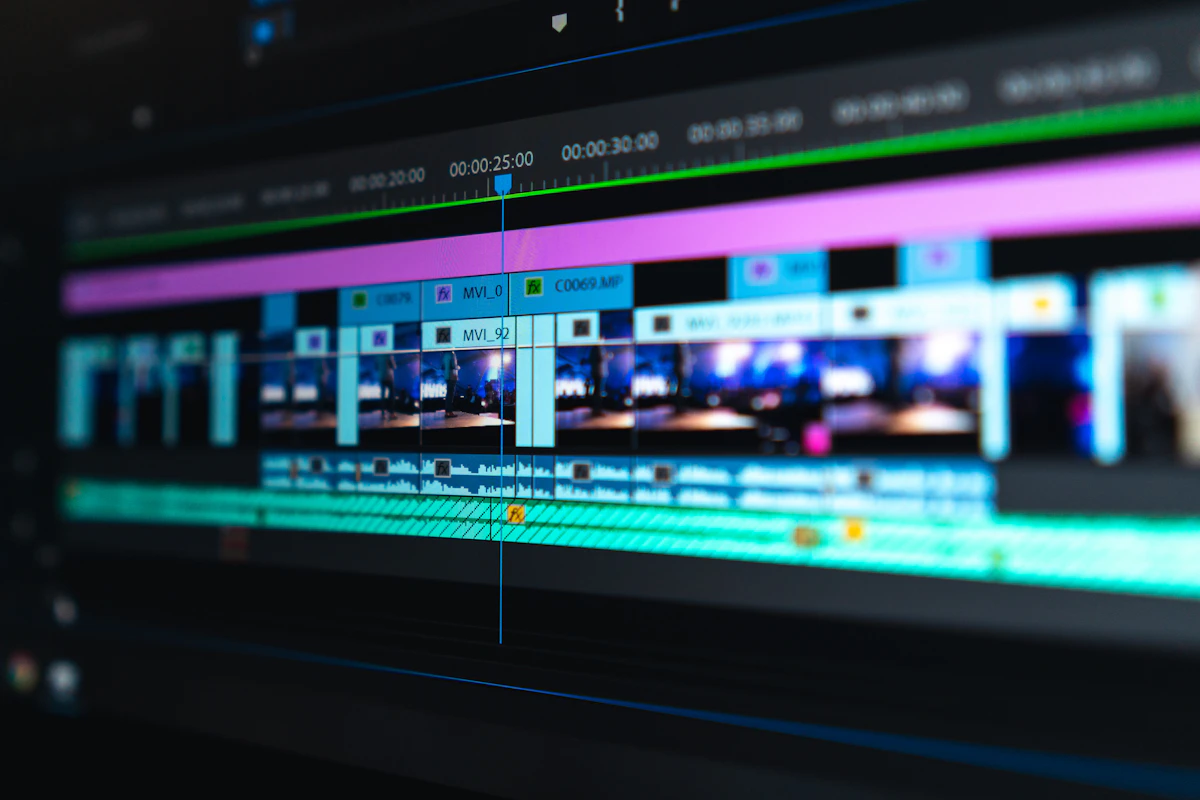
Using Media Engine's Direct Link Importer pipeline, these separate data tracks are combined into a standardized, universally compatible Full MP4 container on the fly. This avoids post-render queues by locking the files together right at the block level. If you only need the audio layer, the application strips the visual track instantly at the parsing step, rendering a standalone, high-bitrate Full MP3 file for your project.
2. Isolated Conversions: Link-to-Video Only (No Audio Track)
In professional post-production spaces, sound effects, background tracks, and human dialogue are managed as unique elements. Editors searching for background b-roll, texture loops, or green-screen elements often have no practical use for the accompanying audio track.
Link-to-Video Converter
Isolates and caches targeted remote video links directly, discarding parallel audio packets entirely before they enter local storage arrays.
Zero Audio Overhead
By skipping audio track parsing, local processing loads drop by up to 30%, giving you clean, silent visual files optimized for immediate timeline overlays.

Media Engine handles this natively with specialized Link-to-Video Only (Video Only) mechanics. By dropping the audio data entirely at the network interface layer, your computer avoids writing unnecessary data, providing a lightweight file perfectly tailored for background b-roll clips.
3. Audio & Video Extraction: Lossless Link Copy Pipelines
Once files are safely imported onto your local drives, managing them requires precise splitting layouts. Traditional creators often import full clips into heavy NLE software just to export a single sound byte, wasting massive amounts of rendering time.

Local extraction pipelines solve this with zero-transcoding processing. When performing a Video to Audio Extraction, the processing framework slices the container wrapper and copies the underlying audio bitstream exactly as it sits, instantly outputting a standalone audio file without running a long re-encoding process.
The exact same logic applies to Video to Video Extraction. Rather than rewriting every single pixel block—which introduces quality degradation—the application performs a direct copy of the exact frame intervals you choose. This cuts out your selected footage losslessly, keeping the original stream parameters fully intact.


No comments:
Post a Comment